Thai Girlfriend Asking for Money? How to Handle It Right
Your Thai girlfriend is asking for money. Is it normal? A red flag? Here's the cultural truth and how to set healthy boundaries.
The Insider
Expats with years of firsthand experience living and dating in Thailand.

Three months into dating your Thai girlfriend, she mentions her family needs help with bills. Or her motorcycle broke down. Or there’s a medical emergency. She’s not demanding, just asking. And now you’re wondering: Is this normal in Thai culture? Am I being used? How do I handle this without ruining the relationship?
I’ve lived in Thailand for over a decade and seen every variation of this scenario. Some requests are genuine. Some are tests. Some are straight-up scams. The key is knowing the difference — and setting boundaries that protect both your wallet and your relationship.
Key Takeaways
- Financial support is culturally expected in many Thai relationships, but timing and amount matter
- Legitimate requests come after trust is established, include proof, and happen infrequently
- Red flags include early requests, vague emergencies, escalating amounts, and no accountability
- Set clear boundaries early: what you’re comfortable giving, frequency limits, and expectations
- Never send large amounts to someone you haven’t met or known for less than 6 months
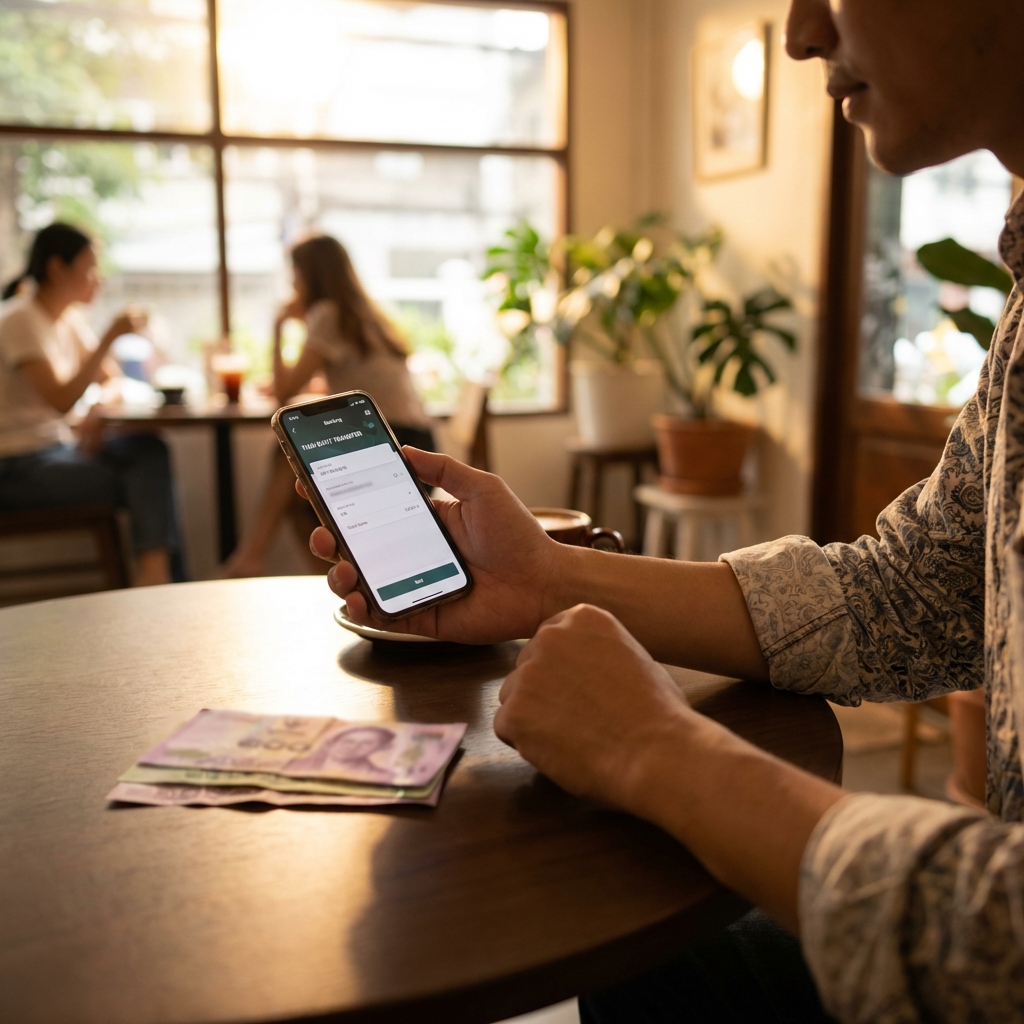
Understanding Thai Culture Around Money
Before you assume the worst, you need to understand the cultural context.
Family Obligation Is Central to Thai Culture
In Thai culture, particularly in rural areas:
- Children are expected to support parents — it’s a core Buddhist value of repaying the debt to those who raised you
- The most successful child often becomes the primary breadwinner for the extended family
- Refusing to help family is deeply shameful — it violates cultural values of gratitude and loyalty
Translation: If your Thai girlfriend is from a working-class or rural background, she’s probably sending money home monthly. This is normal and expected, not a sign she’s using you.
The “Farang Wallet” Stereotype
Unfortunately, there’s also a cultural assumption in some circles:
- Western men are rich (relative to Thai wages, often true)
- Foreign boyfriends = financial upgrade
- Some women (and families) see foreign partners as walking ATMs
The Reality: You’re navigating between legitimate cultural expectations and potential exploitation.
Insider Perspective: The difference between a respectful Thai partner and someone exploiting you often comes down to transparency, timing, and reciprocity. Legitimate partners explain their family obligations upfront and manage expectations. Scammers spring “emergencies” on you when you’ve proven you’ll pay.
Legitimate vs. Red Flag Money Requests
Here’s how to tell the difference.
✅ Legitimate Requests (Usually)
Characteristics:
- Happens after several months of dating (3-6+ months)
- She’s been transparent about her family situation from the start
- The amount is reasonable (5,000-20,000 baht / $150-$600)
- She provides proof (hospital bills, receipts, photos)
- It’s for genuine necessities (medical, education, repairs)
- Requests are infrequent (not monthly emergencies)
- She doesn’t pressure you or threaten to leave if you say no
Example:
“My father needs medicine for his diabetes. It costs 8,000 baht. I can show you the hospital bill. I know this is a lot to ask, but I’m helping my mom cover it this month.”
🚩 Red Flag Requests
Characteristics:
- Happens early in the relationship (first few weeks/months)
- You haven’t met her family or verified her story
- Vague details — no proof, suspicious circumstances
- Amount escalates over time
- “Emergencies” happen constantly
- Emotional manipulation (“If you loved me…”, tears, guilt trips)
- Gets angry or defensive when you ask questions
- She has other foreign “sponsors” or income sources she’s hiding
Example:
“My mom is in the hospital and needs surgery tomorrow. I need 50,000 baht today or she’ll die. If you can’t help me, I don’t know if this relationship can work.”
Major Red Flag: Any request for money before you’ve met in person or within the first month of dating is almost certainly a scam or test. Walk away.
Common Money Request Scenarios
Let me break down the most common situations and what they mean.
Scenario 1: Monthly Family Support
The Request: “Can you help me send money to my family? They need 10,000-15,000 baht per month.”
The Reality:
- This is normal if she’s from a rural/working-class family
- Many Thai daughters send 30-50% of their salary home
- If you’re in a serious relationship, you might be expected to contribute
What’s Fair:
- If you’re living together or married: yes, contributing is reasonable
- If you’re dating casually or long-distance: she should support her own family
- Contribution should be proportional to your involvement in her life
Set This Boundary: “I understand family is important. If we move in together or get married, I’m happy to help. But right now, I think it’s important we each handle our own family responsibilities.”
Scenario 2: The Medical Emergency
The Request: “My mom/dad/grandma is sick and needs hospital treatment. Can you help with 20,000-30,000 baht?”
Legitimate Signals:
- She shows you medical documents (hospital bills, prescriptions)
- Offers to video call from the hospital
- This is a one-time request, not monthly
- She’s embarrassed to ask and gives you an out
Scam Signals:
- No proof, just word of mouth
- Resists showing documentation
- Can’t video call the sick relative
- “Emergency” coincidentally happens right when you’re about to leave Thailand
- Amount keeps increasing (“Actually the doctor said it’s 50,000 now…”)
How to Handle: “I’m sorry to hear that. Can you show me the hospital bill? I’d like to understand the situation before I can help.”
If she gets defensive or can’t provide proof? Don’t send money.

Scenario 3: The Business/Investment Opportunity
The Request: “I want to start a business (salon, restaurant, shop). Can you invest 200,000-500,000 baht? We’ll make money together.”
Why This Is Risky:
- Most small businesses in Thailand fail within 2 years
- You have no legal protection if the relationship ends
- She’ll likely register it in her name only (legal requirement for some businesses)
- You could lose everything with zero recourse
When It Might Be Legitimate:
- You’ve been together 2+ years and are married
- You’ve researched the business and understand the Thai market
- You have a legal agreement (though enforcing it is hard)
- You can afford to lose 100% of the investment
Safer Response: “Let’s start small and prove the concept first. I’ll help with 50,000 baht to get started. If it works, we can expand.”
Scenario 4: Rent, Bills, Daily Expenses
The Request: “Can you help with my rent this month? I’m short 5,000 baht.”
Context Matters:
- If you’re living together: Yes, you should share expenses
- If she’s your girlfriend and you visit regularly: Reasonable to contribute to rent/utilities if you’re staying there
- If you’re long-distance and don’t live together: This is her responsibility
One-Time vs. Recurring:
- One-time help during a genuine hardship = fine
- Monthly recurring “I need rent money” = red flag (she should budget better or get a better job)
Boundary to Set: “I’m happy to help this once, but going forward you’ll need to budget for rent yourself. If we move in together, we can split costs.”
Scenario 5: The Debt Trap
The Request: “I have debt from a loan shark / credit cards / family emergency loan. They’re threatening me. I need 80,000-150,000 baht.”
Extreme Caution:
- Debt culture is real in Thailand, especially with informal lenders
- BUT this is also a classic scam tactic
- Even if real, paying someone else’s debt doesn’t fix the underlying problem
Questions to Ask:
- How did she accumulate this debt?
- Why can’t her family help?
- What’s her plan to avoid future debt?
- Can she show documentation?
The Hard Truth: If you pay off her debt, you’re now the sponsor. She’ll likely accumulate more debt because the spending habits haven’t changed.
Better Approach: “I care about you, but I can’t pay off debt for someone I’ve known a few months. Let’s work together on a budget so this doesn’t happen again.”
Scenario 6: Gifts and Gold
The Request: “For my birthday / Thai New Year, can you buy me [iPhone, gold necklace, designer bag]?”
Cultural Note:
- Gift-giving is big in Thai culture
- Gold jewelry is a traditional gift and also a financial investment for Thais
- Expecting gifts isn’t necessarily gold-digging — it’s cultural
What’s Reasonable:
- Birthday/holiday gifts appropriate to your relationship stage
- Small gold jewelry (1-2 baht of gold = $300-$600) for serious long-term relationships
- Thoughtful gifts that show you care
What’s a Red Flag:
- Demanding expensive gifts early in the relationship
- Comparing you to other guys: “My ex bought me…”
- Pouting or threatening to leave if you don’t give extravagant gifts
Pros & Cons
Pros
- ✓ Thoughtful, meaningful gifts regardless of price
- ✓ Gifts match the relationship stage (small early, bigger over time)
- ✓ She also gives you gifts, showing reciprocity
Cons
- ✕ Demanding specific expensive items
- ✕ Only happy when receiving material things
- ✕ Never reciprocates with gifts or gestures
How to Set Healthy Money Boundaries
Here’s my advice after watching countless relationships navigate this.
1. Have the Money Talk Early
Within the first 2-3 months, discuss:
- Your financial philosophy
- Her family obligations
- What you’re comfortable with / not comfortable with
- Expectations around financial support
Example: “I want to understand your family situation. Do you send money home? How much? I want to be supportive, but I also need to set boundaries that work for both of us.”
2. Establish Clear Rules
My Recommended Framework:
First 6 Months:
- No large financial support (over $200-300)
- Emergencies require proof
- No investments or business deals
6-12 Months (if serious):
- Small help for genuine emergencies (with proof)
- Contribute to shared expenses if living together
- Still no major investments
1+ Year (committed relationship):
- Reasonable family support if you’re living together
- Shared financial planning
- Major decisions (property, business) only if married
3. Use the “Proof and Transparency” Rule
Always ask for:
- Documentation for medical bills
- Photos of damaged items (broken motorcycle, etc.)
- Video calls to verify situations
If she refuses or gets angry? That’s your answer.
Insider Move: Offer to pay directly instead of sending cash. “I’ll pay the hospital directly” or “Let’s go together to the motorcycle shop.” Legitimate requests? She’ll say yes. Scams? She’ll make excuses.
4. Never Send Money You Can’t Afford to Lose
Golden Rule: Treat any money sent to a girlfriend (especially long-distance) as a gift, not a loan.
- Don’t expect repayment
- Don’t send bill money, savings, or borrowed funds
- Set a monthly cap you’re comfortable with
5. Watch for Escalation Patterns
Healthy Pattern:
- Requests are rare and consistent in amount
- She’s appreciative and doesn’t expect more
- Financial requests decrease over time as trust builds
Unhealthy Pattern:
- Requests increase in frequency and amount
- Every month there’s a new emergency
- She’s never satisfied, always needs “just a bit more”
If you see escalation? Cut it off before you’re in too deep.
6. Observe How She Handles Money
Green Flags:
- She works and has her own income
- Budgets and saves where possible
- Doesn’t live beyond her means
- Is financially responsible with what she has
Red Flags:
- Claims to have no money but posts photos shopping, partying, or with expensive items
- Constantly borrows from friends, family, multiple guys
- Impulsive spending on non-essentials
- No concept of budgeting or saving
What to Do If You’ve Said Yes Too Many Times
Already deep in financial support and feeling used? Here’s how to pull back.
Step 1: Assess the Damage
- How much have you sent total? Write it down.
- What did you get in return? (Relationship, companionship, or just drained?)
- Is she still asking? Or has it stabilized?
Step 2: Have the Uncomfortable Conversation
Script: “I care about you, but I need to be honest. I’ve been sending a lot of money, and it’s becoming unsustainable. Moving forward, I can help with [specific amount] per month, but no more emergency requests without proof. I need to see that we’re building a partnership, not a sponsor relationship.”
Watch Her Reaction:
- Mature response: Apologizes, understands, works with you
- Manipulation: Cries, guilt trips, threatens to leave, plays victim
Step 3: Stick to Your Boundary
The first “no” will test everything.
When the next request comes: “I’m sorry, but I explained my boundaries. I can’t help this time.”
If she respects it? Good sign.
If she escalates or disappears? You just saved yourself months or years of being an ATM.
Hard Truth: If the relationship falls apart the moment you stop sending money, it was never a real relationship. You were a financial sponsor.
Cultural Nuances to Keep in Mind
Not All Money Requests Are Scams
Repeat after me: Financial interdependence is normal in Southeast Asian culture.
Western culture values independence: “I pay my way, you pay yours.”
Thai culture values collective responsibility: “We help each other.”
If your Thai girlfriend is supporting her family, that’s admirable, not exploitative. The question is whether she’s asking you to contribute appropriately given your relationship stage.
The Face-Saving Element
“Saving face” (รักษาหน้า) is crucial in Thai culture.
Some Thai women won’t ask for money even when desperate because:
- It’s shameful to admit need
- They don’t want to lose face
- They fear you’ll think less of them
So if she does ask? It might genuinely be a last resort, not her first instinct.
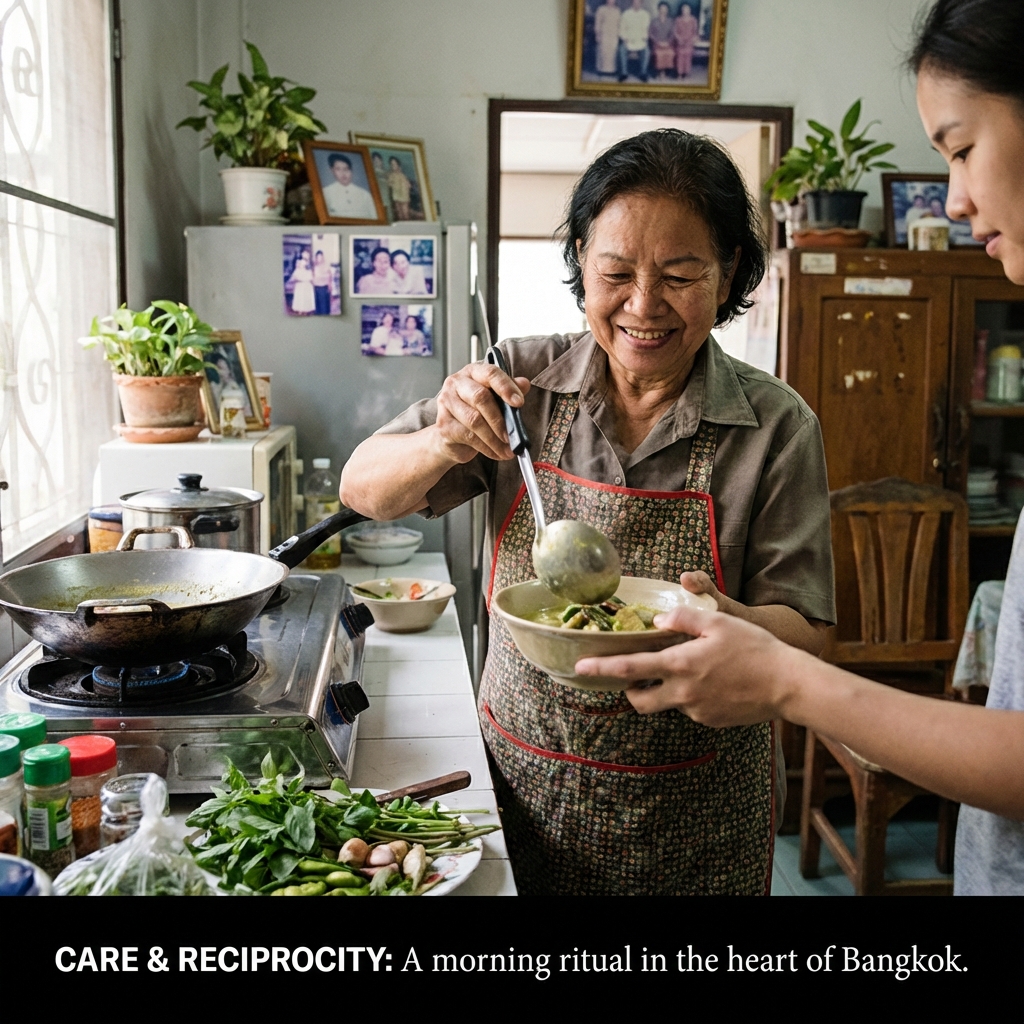
Reciprocity Matters
Healthy Thai relationships involve give and take:
- She cooks for you and takes care of you
- You help financially when you can
- Both contribute to the relationship
If it’s one-sided (you give, she takes), that’s a problem. But if she’s also investing in the relationship in non-monetary ways, recognize that value.
When to Walk Away
Some situations are unrecoverable. Walk away if:
- She asks for money before you’ve met in person
- Requests start within the first month of dating
- She has multiple foreign “boyfriends” sending money
- She refuses to provide proof for emergencies
- Amounts escalate rapidly ($100 → $500 → $2,000 in a few months)
- She gets angry or manipulative when you set boundaries
- Your financial situation is suffering (debt, unable to pay your bills)
- She’s still working in bars despite taking your money to “quit”
- You’ve never met her family, but they constantly need money
- Your gut tells you something’s wrong
You can’t save someone who doesn’t want to be saved. And you’re not a retirement plan.
Final Thoughts
Money in Thai relationships is complicated.
On one hand, cultural expectations around family support are real. On the other hand, there are women (and men) who exploit those cultural differences to manipulate foreigners.
Your job is to:
- Understand the cultural context
- Set firm but respectful boundaries
- Verify requests before sending money
- Watch for patterns (escalation, lack of proof, manipulation)
- Protect yourself financially
A healthy relationship should feel like a partnership, not an ATM transaction. Both people contribute. Both people benefit. And money should never be the foundation of the relationship — it’s a tool to support a life you’re building together.
If she truly loves you, she’ll understand your boundaries. If she only loves your wallet, you’ll find out the moment you stop paying.
FAQ
Q: How much money is normal to send to a Thai girlfriend per month?
It depends on your relationship stage. Casual dating (under 6 months): ideally $0 for routine expenses, maybe $100-300 for a genuine one-time emergency. Serious relationship (6+ months, living together): 10,000-20,000 baht/month ($300-$600) for shared living costs or family support is reasonable. Always base it on what YOU can afford, not what she or her family expects.
Q: Should I send money to a Thai girlfriend I’ve only met online?
No. Full stop. If you haven’t met in person, you don’t send money. Period. This is the #1 rule. Long-distance online relationships are the most common context for scams. Meet her first, date for several months in person, then consider financial help if appropriate.
Q: Is it rude to ask for proof of emergencies?
No. In fact, a genuine Thai partner will expect you to ask for proof because she knows the scam culture exists. Saying “Can you show me the hospital bill so I can understand the situation?” is respectful and reasonable. If she’s offended, that’s a red flag.
Q: What if her family is pressuring her to ask me for money?
This happens. Some Thai families see foreign boyfriends as cash cows. A strong partner will shield you from unreasonable requests and manage her family’s expectations. If she’s just a conduit passing every family demand to you, that’s a problem. She should be your partner first, not her family’s spokesperson.
Q: My Thai girlfriend paid for everything at first, now she’s asking for money. Is this a scam?
Possibly. Some scammers “invest” in the relationship early (paying for dates, giving gifts) to build trust, then flip the script once you’re hooked. Watch for: sudden financial crisis, vague explanations, escalating requests. Legitimate financial hardship looks different from calculated manipulation.
Q: How do I say no without ending the relationship?
Be honest and kind: “I care about you, but I’m not comfortable sending money right now. If there’s another way I can help, let me know.” A mature partner will understand. If she threatens to leave, gets angry, or guilts you — that’s your answer. The relationship was conditional on money.

Safety Tip: Secure Your Connection
Using dating apps on public Wi-Fi in Thailand? Don't risk your privacy. We recommend NordVPN to keep your chats private and access geo-blocked content.
Discount available